


Login
Applications for the 2026 program will open on 1 January, 2026. It will be held from Sunday, 1 June - Friday, 26 June, 2026.
UGRIP offers a chance to advance your research career, connect with some of the brightest minds in AI, and experience life in the UAE.
What you can expect:
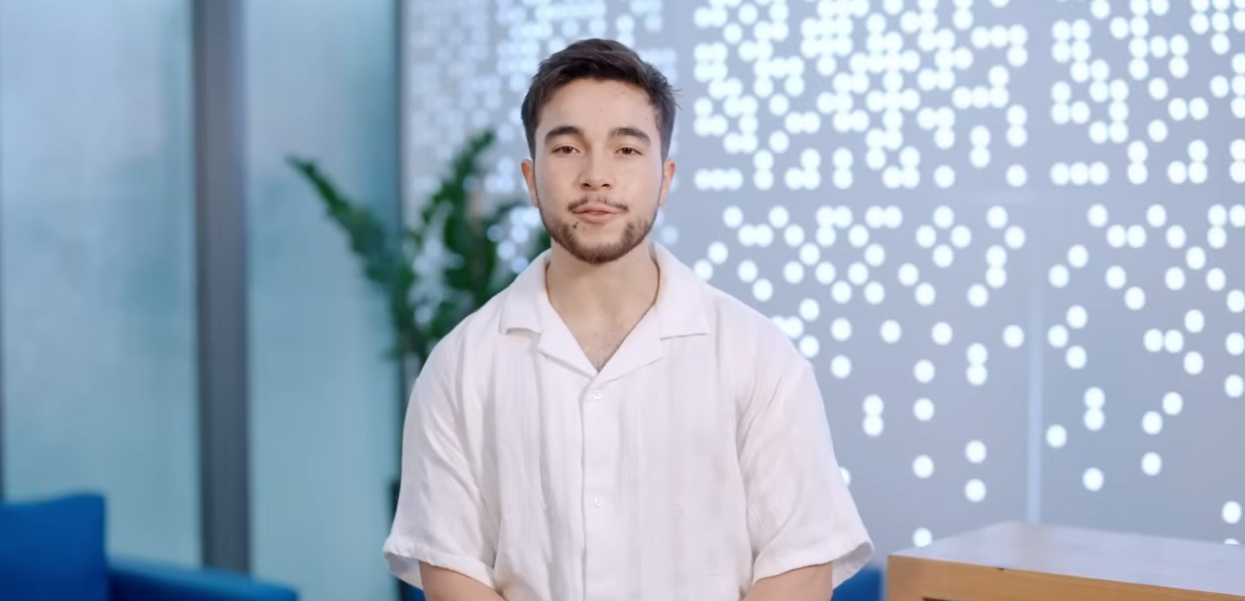

UGRIP has quickly become one of the most competitive and sought-after immersive AI undergraduate research experiences. In 2025, nearly 2,000 students applied, with only 4% accepted. More than 130 interns have participated so far, representing leading global institutions such as the Georgia Institute of Technology; University of Maryland, College Park; Indian Institutes of Technology; and Monterrey Institute of Technology.
MBZUAI provides advanced facilities, labs, and research centers to THINK BIG
Apply now
Interns will have the opportunity to work on a research project related to core AI disciplines such as computer vision, computer science, machine learning, natural language processing, and robotics. Projects may also explore human-computer interaction, computational biology, and data science.
 Advancing machine translation for dialectal ArabicCreating automated systems for media bias detectionDesigning interactive music generation systemsDeveloping models for brain tumor detectionEnsuring safe obstacle avoidance in robotics
The projects for the 2026 program will be introduced to interns during the first two days of the program. Interns will
have an opportunity to talk to faculty and their teams about the available projects and nominate their top three preferences.
Many interns choose to continue their studies at MBZUAI by pursuing our master's or Ph.D. programs in:
Covers the foundations of computing, including algorithms, data structures, software engineering, and theoretical principles that underpin technology. The department's research advances AI-driven system design, focusing on efficient hardware, optimized LLM training, edge computing, and secure, privacy-preserving technologies.
Focuses on teaching computers to interpret and understand visual information, enabling tasks like image recognition, object detection, and video analysis. Currently ranked in the top 15 in the world, the department develops visual and vision-language AI models, focusing on robotic vision, generative media, multi-sensor fusion, and trustworthy AI.
Studies algorithms and models that enable systems to learn from data, recognize patterns, and make predictions or decisions with minimal human intervention. Currently ranked in the top 25 in the world, machine learning is our largest department. Its research focuses on adaptable, explainable AI models to tackle challenges in healthcare, energy, and smart cities.
Centers on computational techniques to analyze, understand, and generate human language, supporting applications such as chatbots, machine translation, and sentiment analysis. Currently ranked in the top 15 in the world, the department develops large language models (LLMs) with an emphasis on Arabic and underserved languages, advancing language understanding and developing applications across healthcare, finance, and education.
Explores the design and control of autonomous systems, integrating sensing, mechanical actuation, and intelligent decision-making for robots. With the Robotics Research Lab opening in 2026, the department is currently experiencing a rapid growth phase. The department develops robotic solutions for industrial automation, human assistance, and medical procedures, advancing research across environmental, social, and healthcare domains.
Undergraduate students in the penultimate year of a STEM-related major and graduating after August 2026 Minimum CGPA of 3.5 (on a 4.0 scale) or equivalent Meet the university’s English language requirement for admission into Ph.D. programsEnrollment letter from university registrar showing admission date, program duration, and expected graduation dateOfficial academic transcript listing all courses, grades, and credit hoursProof of English proficiency through a valid certificate of any of the following:*Exams must be administered at an approved physical test center. Home Edition exams are not accepted.
Valid color passport copy (minimum one year validity)Statement of purpose essay, including:Curriculum vitaeAll documents must be in English or include certified translations. Academic documents must carry official stamps and signatures.
The summer 2026 admission cycle for UGRIP for all nationalities is as follows:
Note: UGRIP will be held from: Monday, 1 June - Friday, 26 June 2026.
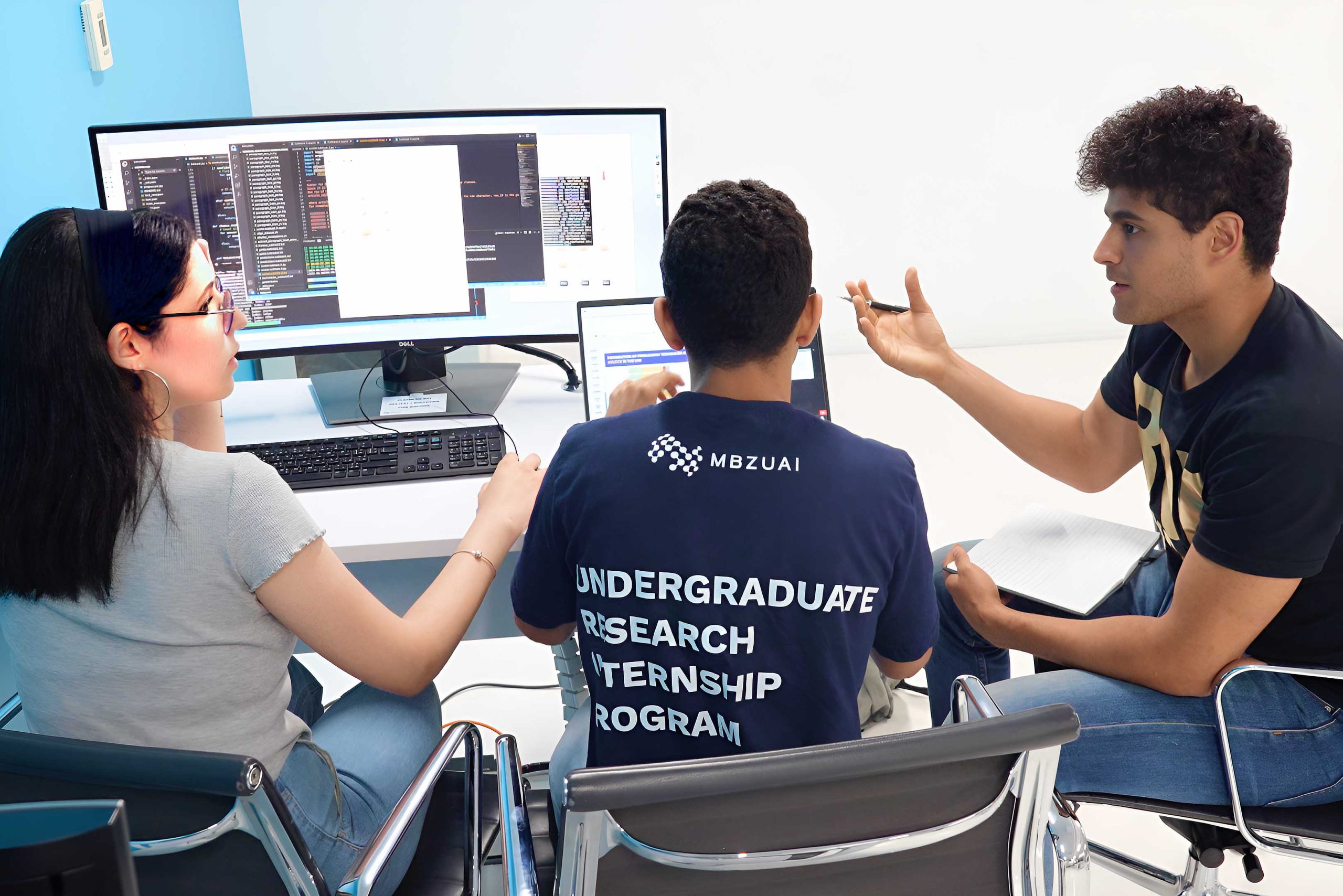
Interns will have the opportunity to work on a research project related to core AI disciplines.
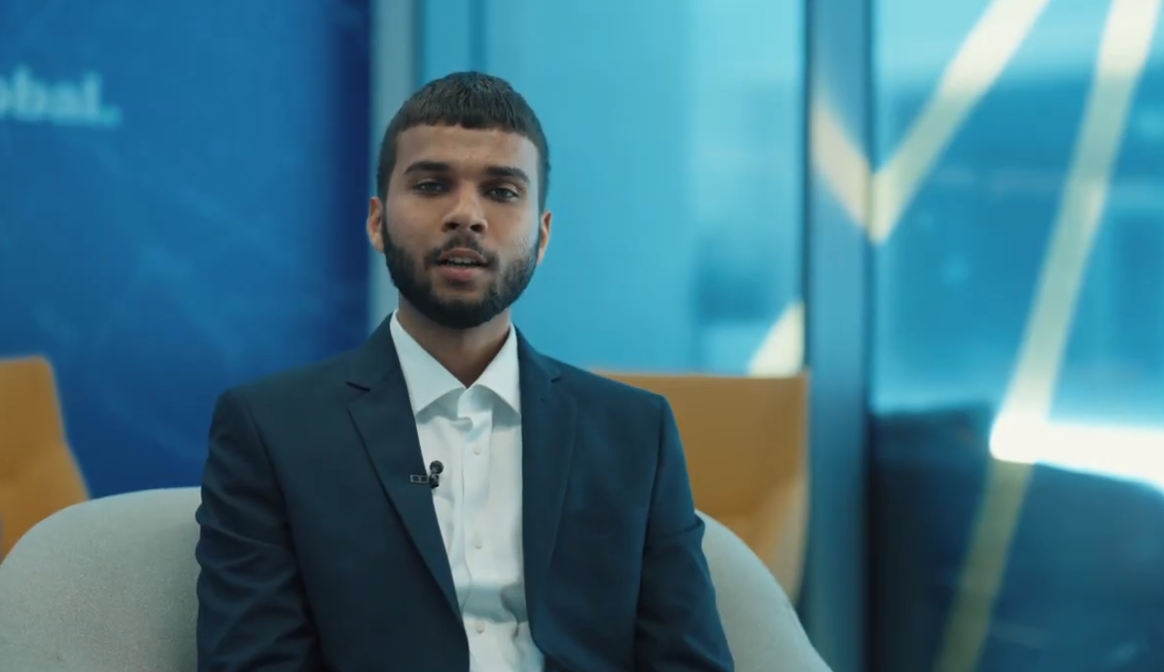
Natural language processing
“The knowledge I have gained from UGRIP will be used to conduct further research in the field of NLP back home in India. I also hope to share this knowledge with my friends and classmates. UGRIP has definitely influenced my future plans. I’m leaning more towards the research side of things, and might seek to study here at MBZUAI rather than going for employment in industry.”
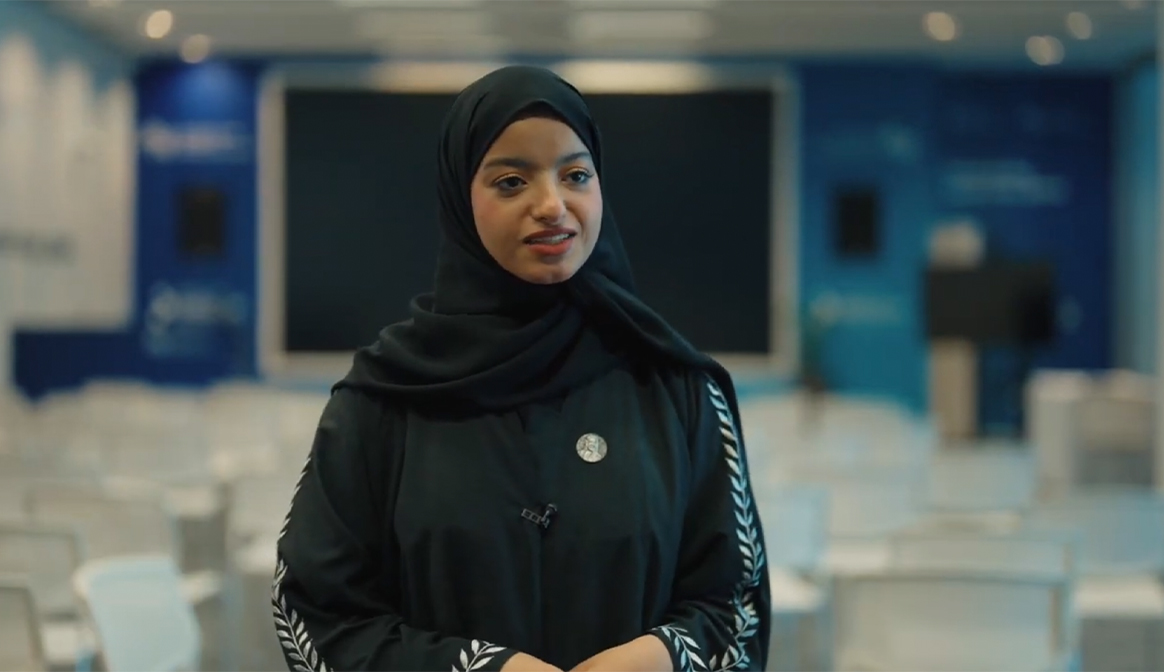
Machine learning
“The program helped me a lot to learn about the machine learning field with the help of my amazing mentors. From the knowledge that I gained here at UGRIP, I would like to do further research in machine learning and build on it.”

Computer vision
“My expectations have been fully fulfilled here at MBZUAI. I got to learn a lot of machine learning techniques from people from all around the world and I'm excited to apply them to my life back home. The Undergraduate Research Internship Program has definitely influenced what I'm going to do in the future. I'm very excited about the research that I've done here and I'm looking forward to furthering this research after my undergraduate studies are complete.”